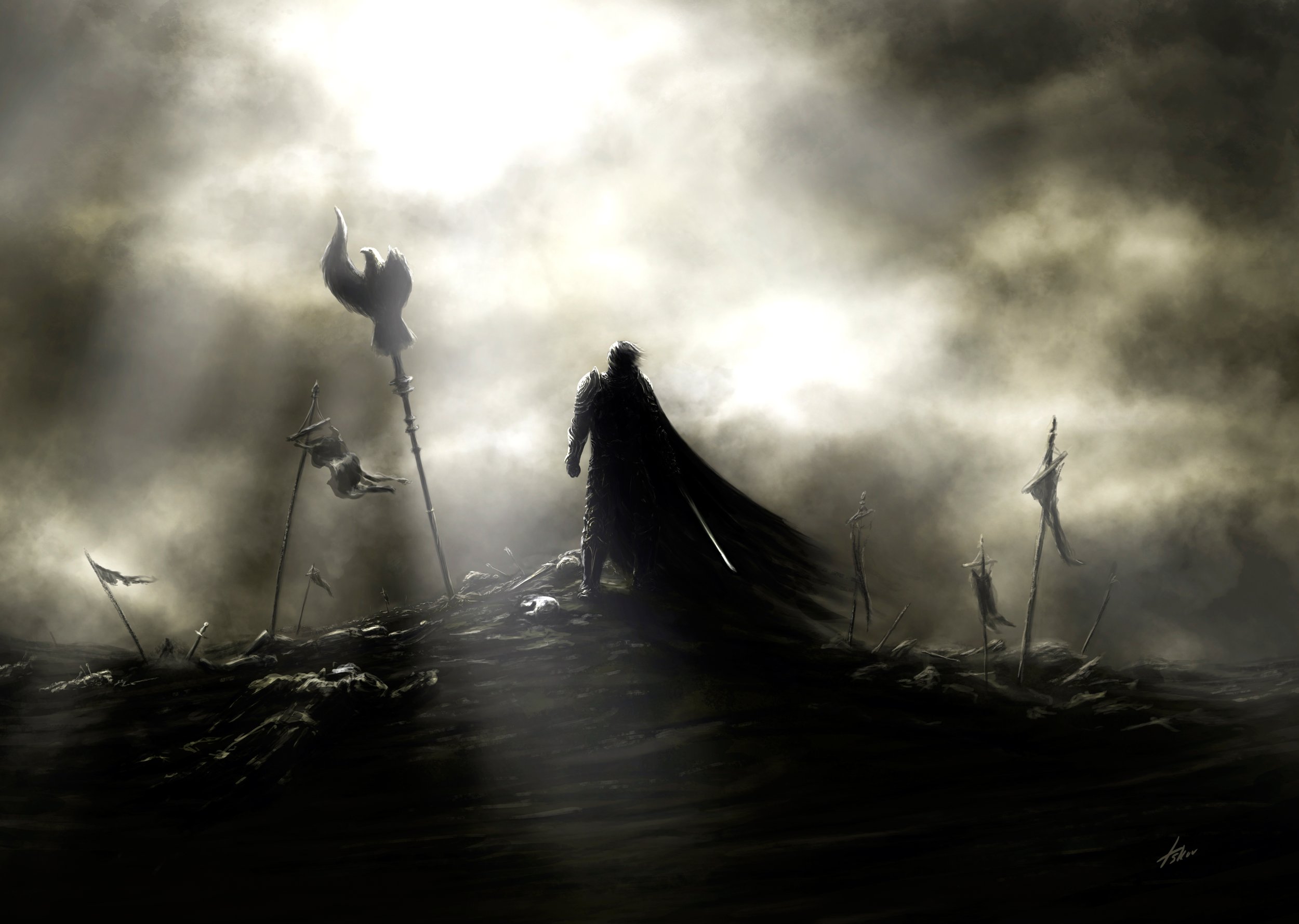
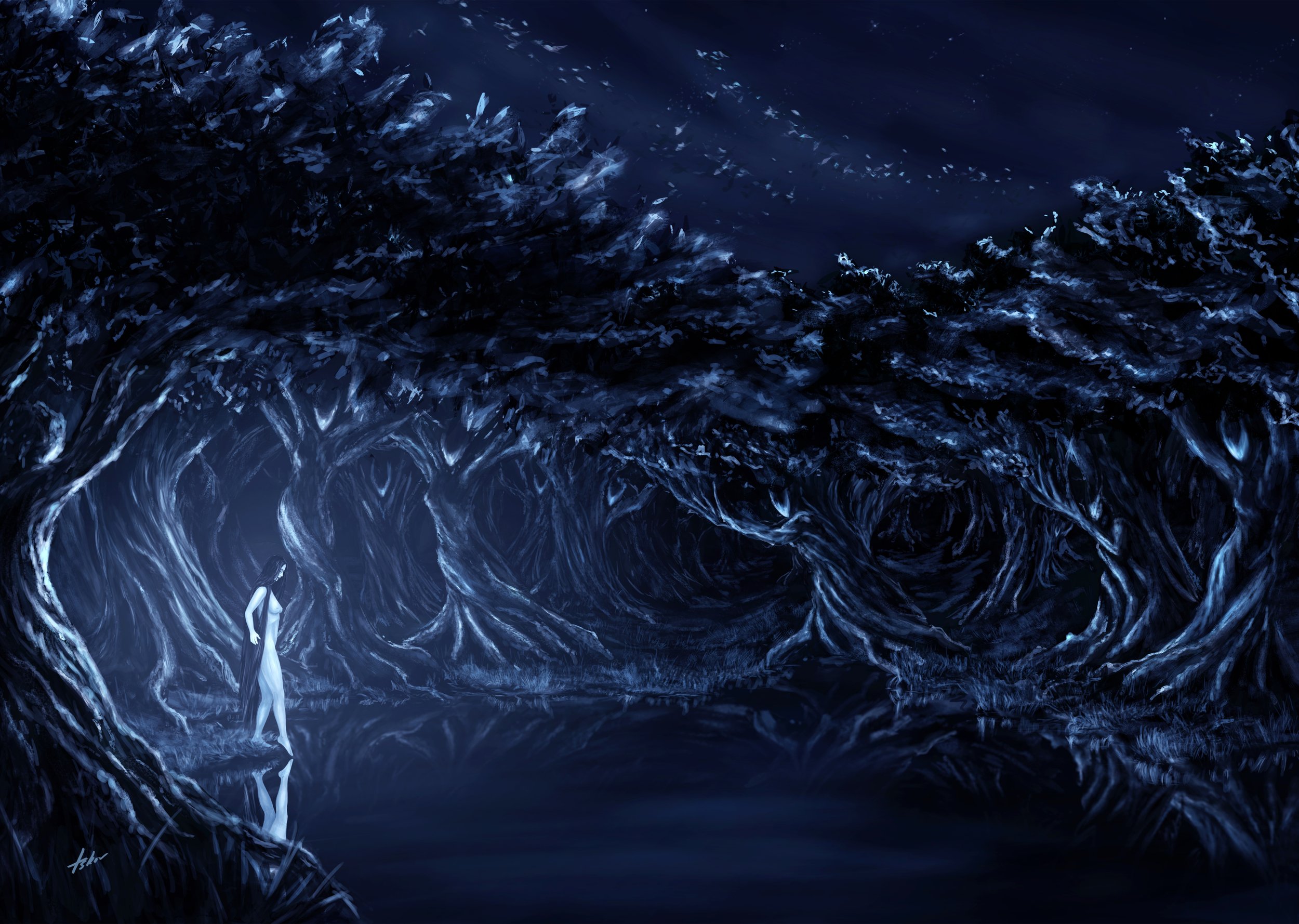
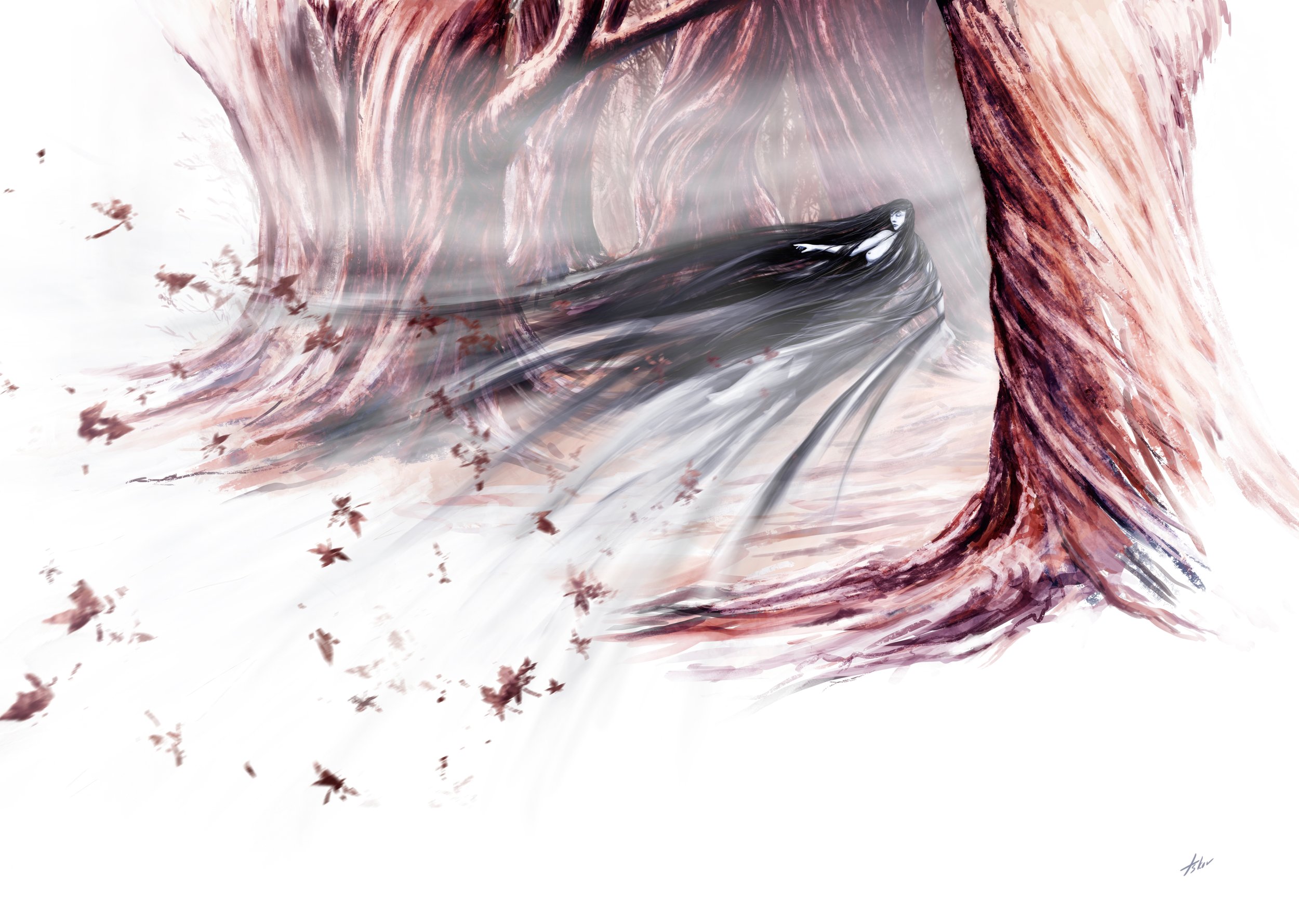
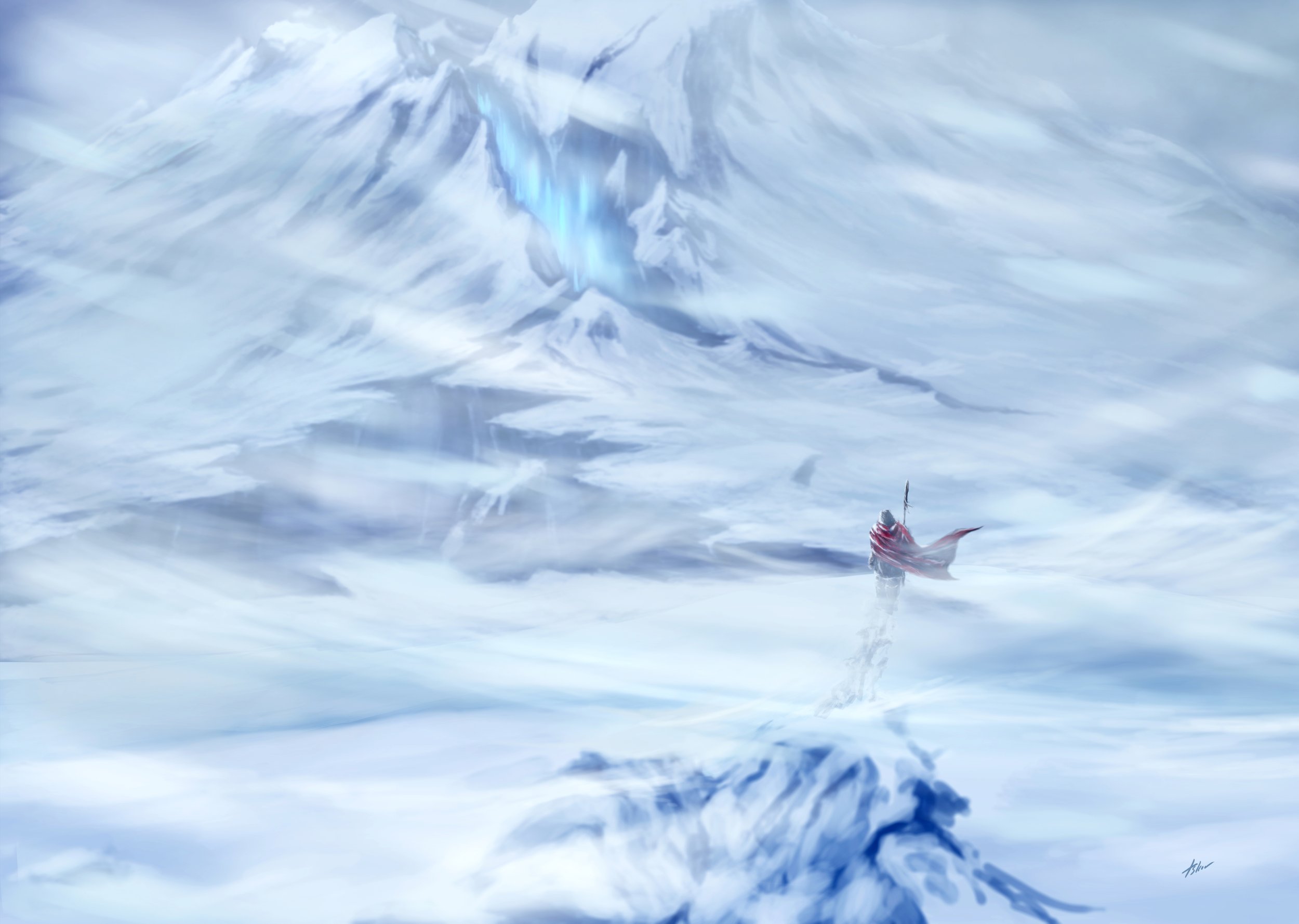
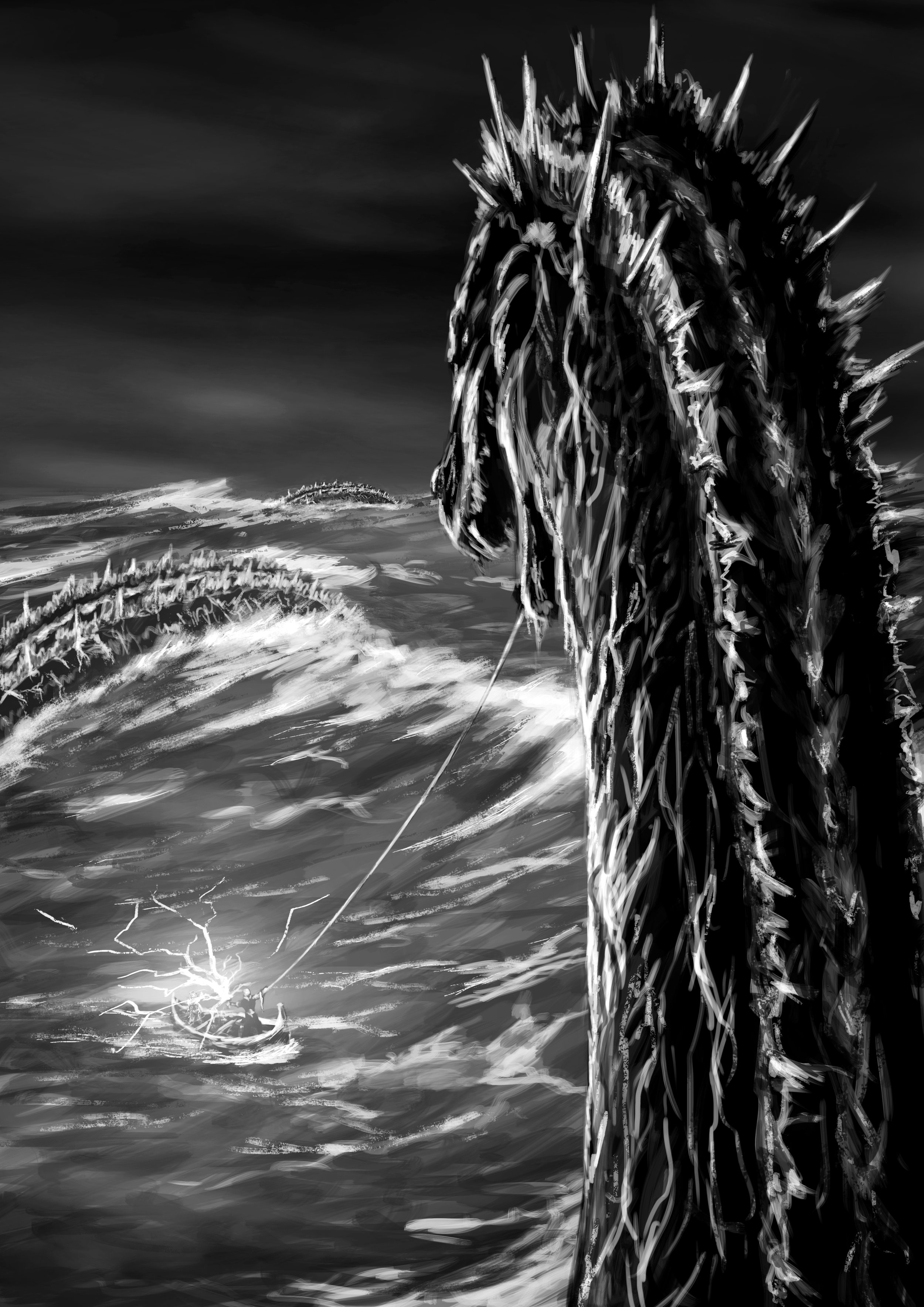
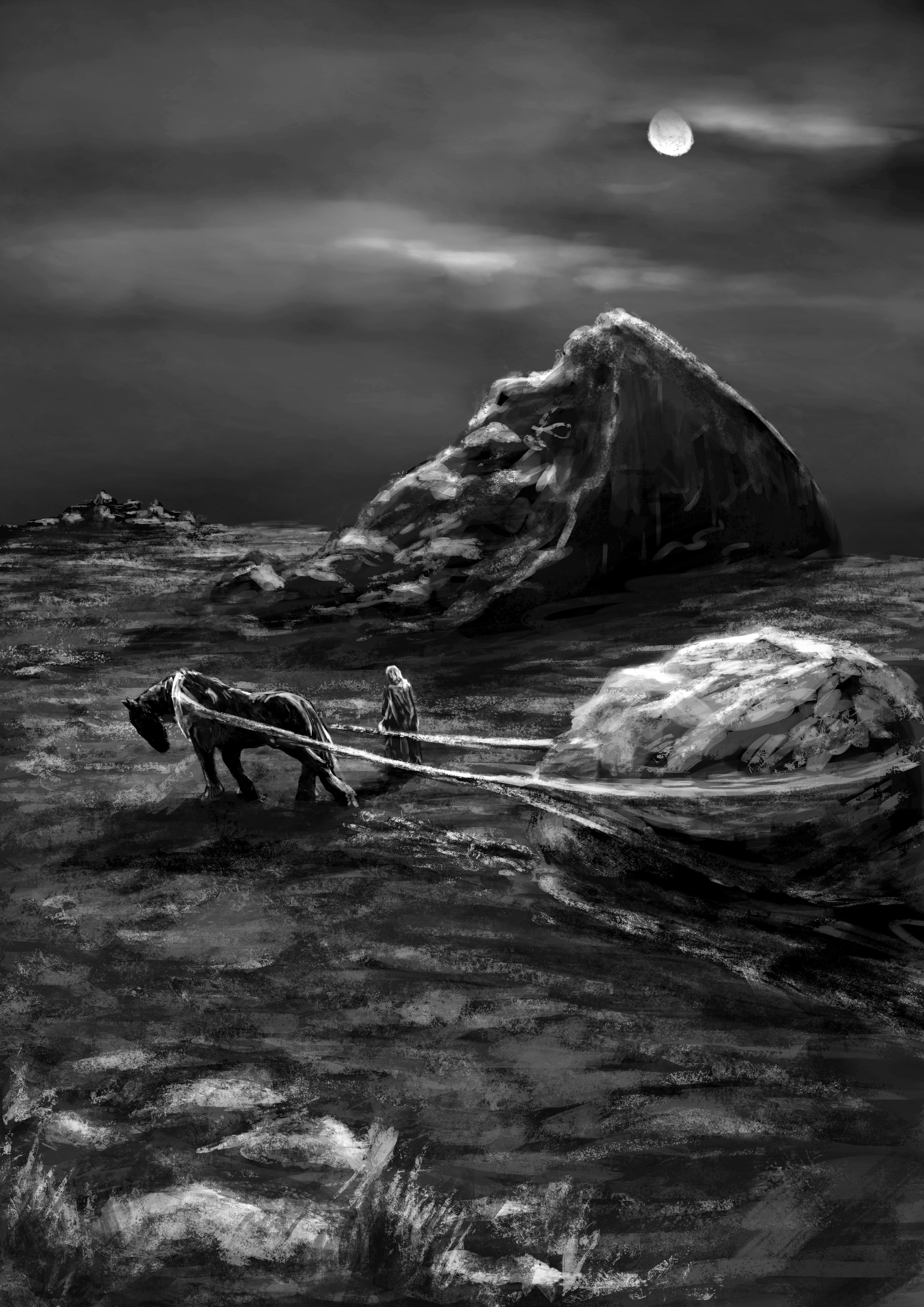
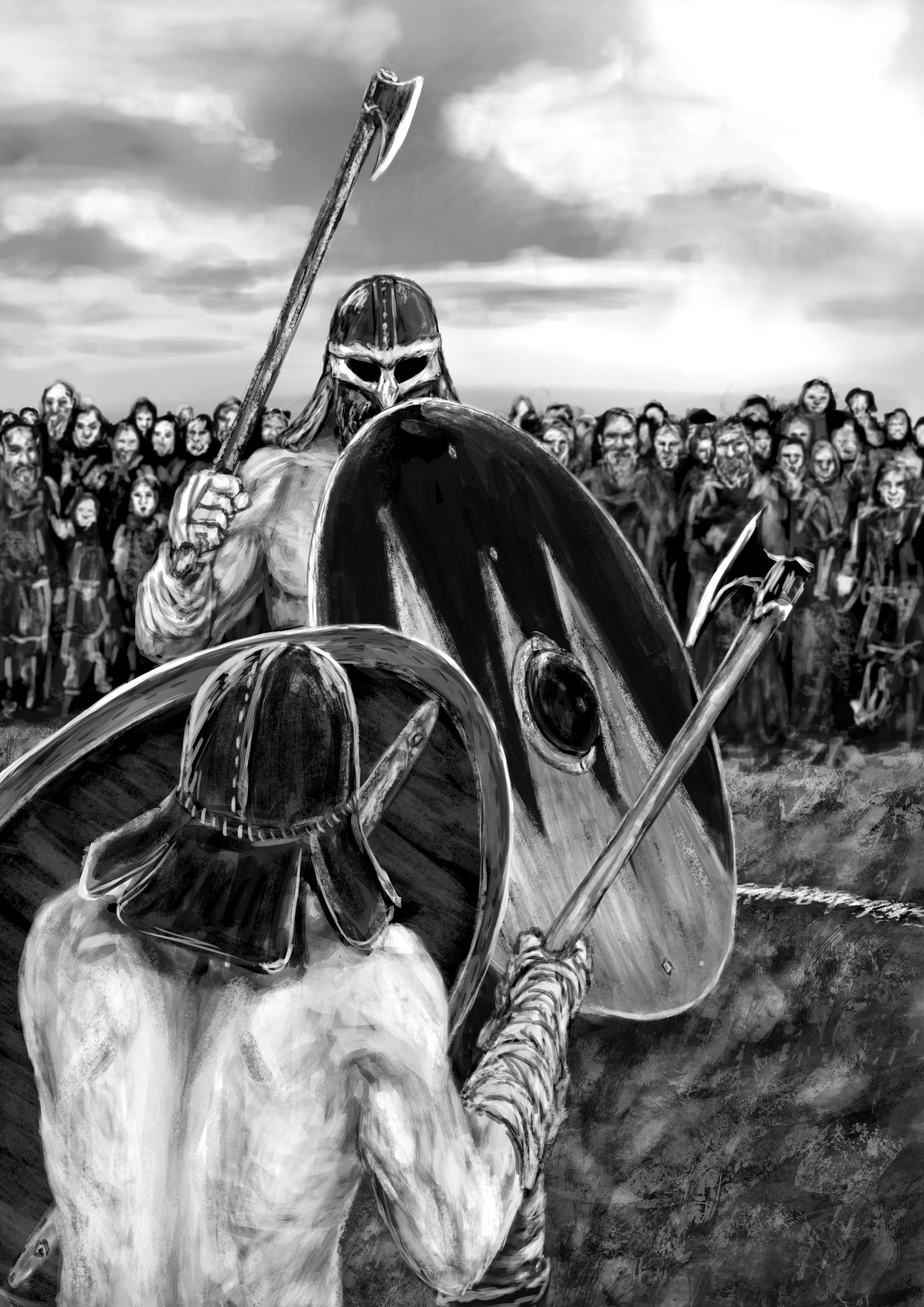
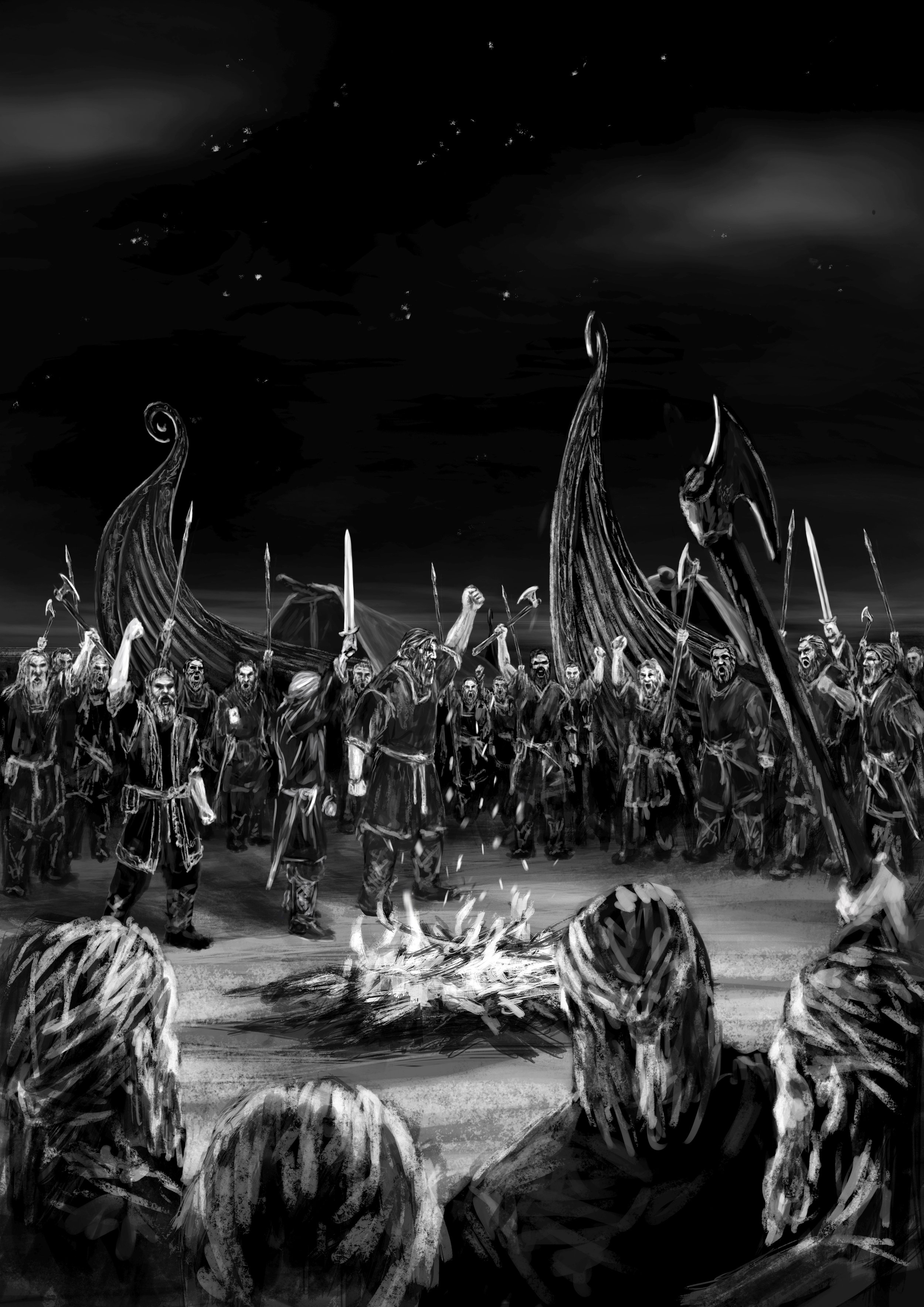
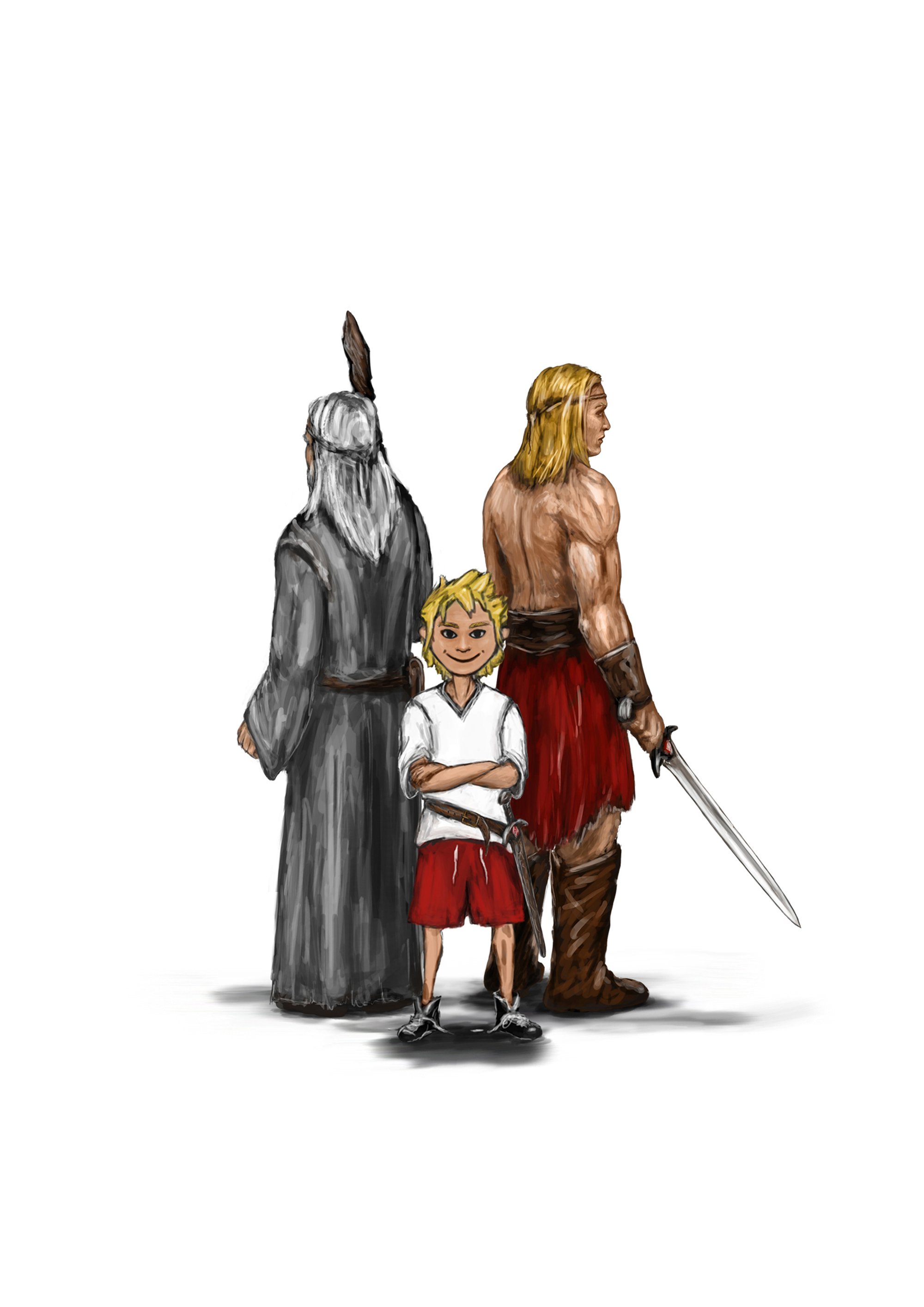
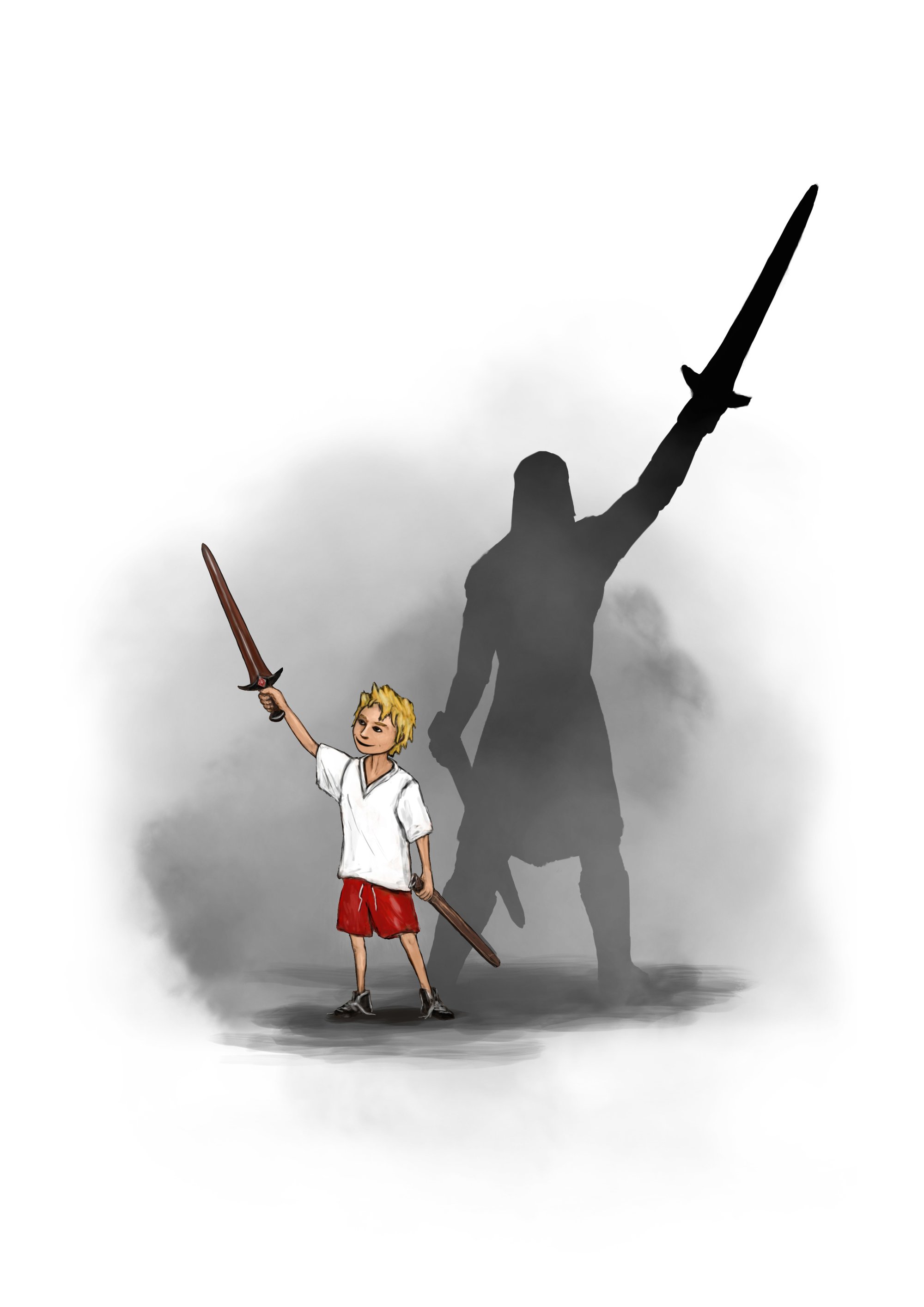
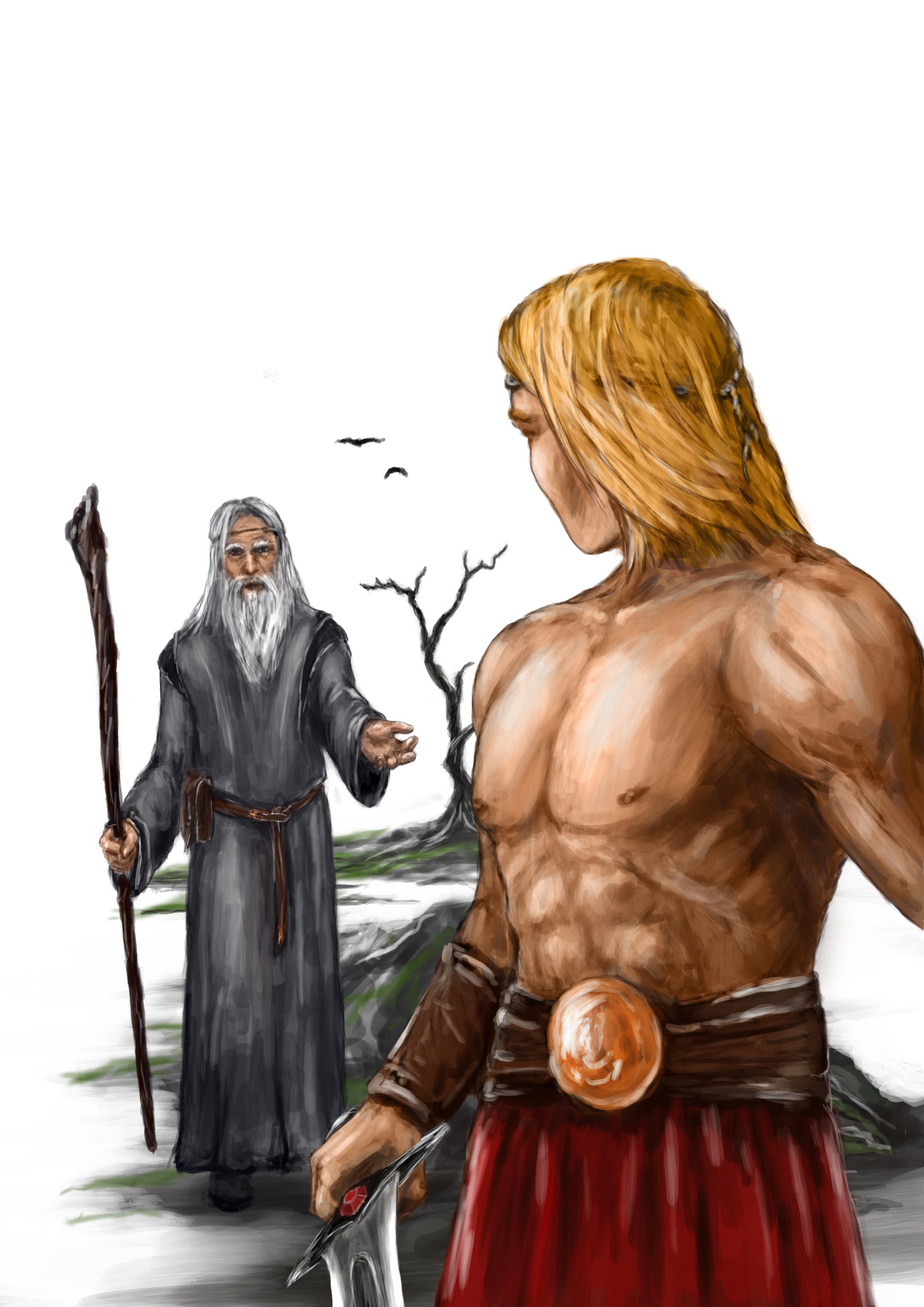
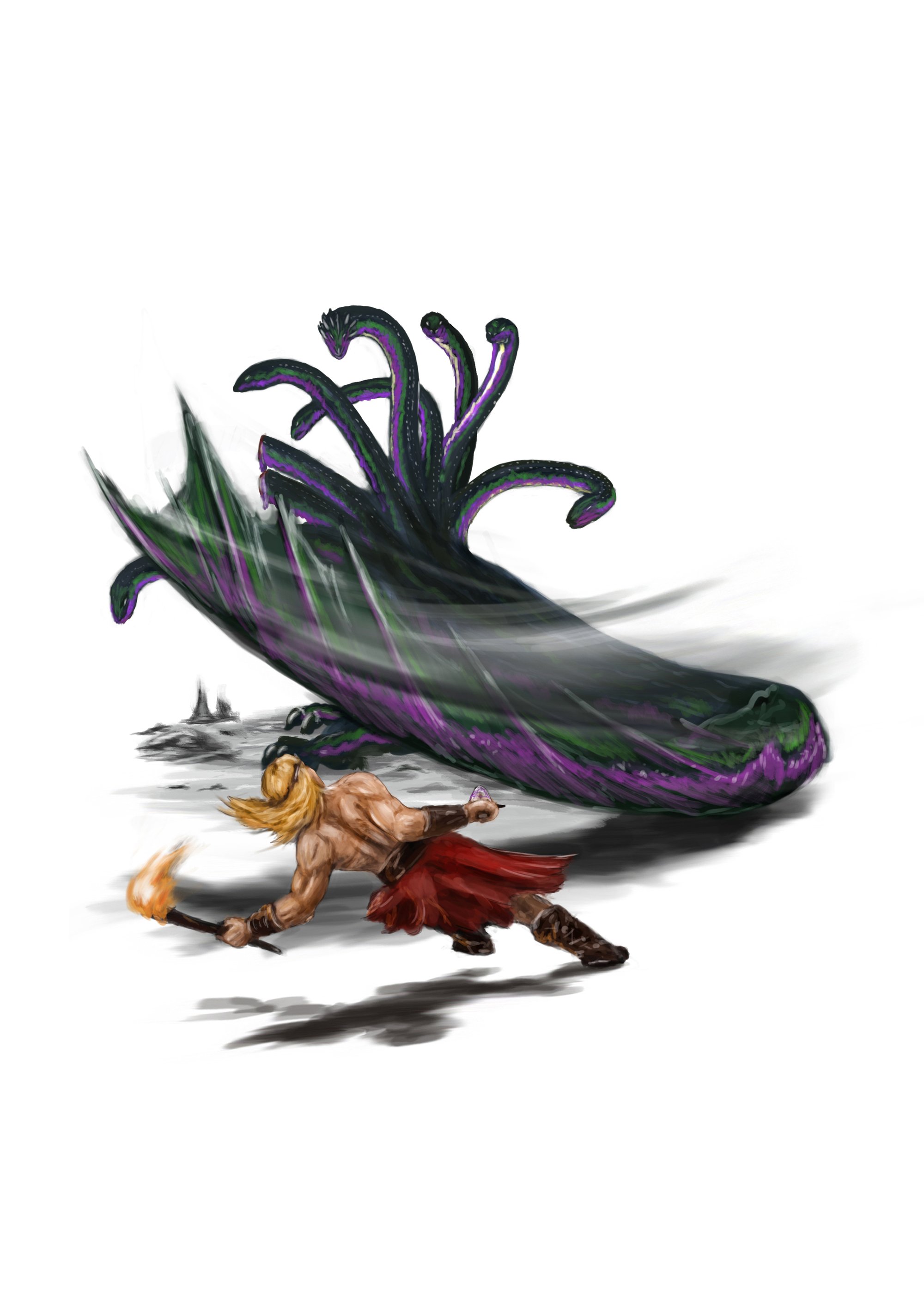
In a now seemingly distant past, before AI made it’s entry into everyone's lives, I had chosen a creative path. I guess in hindsight it was but a matter of time, before my love for stories and a profoundly visual mind drew me in that direction. Yet it still came as a surprise to me, as I had never seen myself as someone who did that – making art wasn’t something you did yourself, it was something other people did…
It’s impossible to describe anyone with a single label; any human is much too complicated for that, but if I were to put a sentence to my name it would be “A dedicated lover of good stories”.
And what does that mean? Well, I’ll try, in the best ‘show-dont-tell’ fashion, to give an idea of what it means to me.
I’m a traditionally published author, based in Denmark. In my earlier days I dabbled within the visuals arts; first studying marketing, then illustration and digital painting, then I got into writing and now I find myself studying Literature at the University of Southern Denmark, with a focus on Narratology and Semiotics, and holding a Minor in script-writing. My over-arching goal is to become a more competent author and literary person.
If that sounds as a bit of a tangled ball of experiences, I can assure you, it is, but it has also proven immensely useful. Having practical experience with both writing and illustration, before attending academic studies, have provided me with a very grounded and craftsmanship-like perspective on learning and literature. Something that I’m now eager to both use and pass on.
What does it mean? Well, for starters, I think it sounds better than ’engineer’ or ’mechanic’ – there’s a bit more freedom to ’developer’. But what about ’story designer’? Not a bad term, yet it sounds a little too surface level for what I like to do – I want depth and understanding, not just flowery surface level stuff. I love to pick stories apart; to see what works and what doesnt? What happens if something changes? What happens if thatthing changes? And what will that do to the overall story? Does it change the tone tone or theme? Even minor changes can have great impact throughout a story.
Perhaps I’ve played a little too much with Legos as a kid, if that’s possible, but the picking things apart and putting them back together in new, different forms. That process of testing and experimenting has always fascinated me. In ways it’s much akin to drawing; you envision your idea, you make initial sketches, you test the lines, the texture, the lighting, the shadows…
You need to have an understanding of all those aspects before commiting to the actual piece. But if you do, and you have the necessary skills, then you might actually be able to pull things off – and bring your idea to life in a way that you’ll be proud to share with the world.
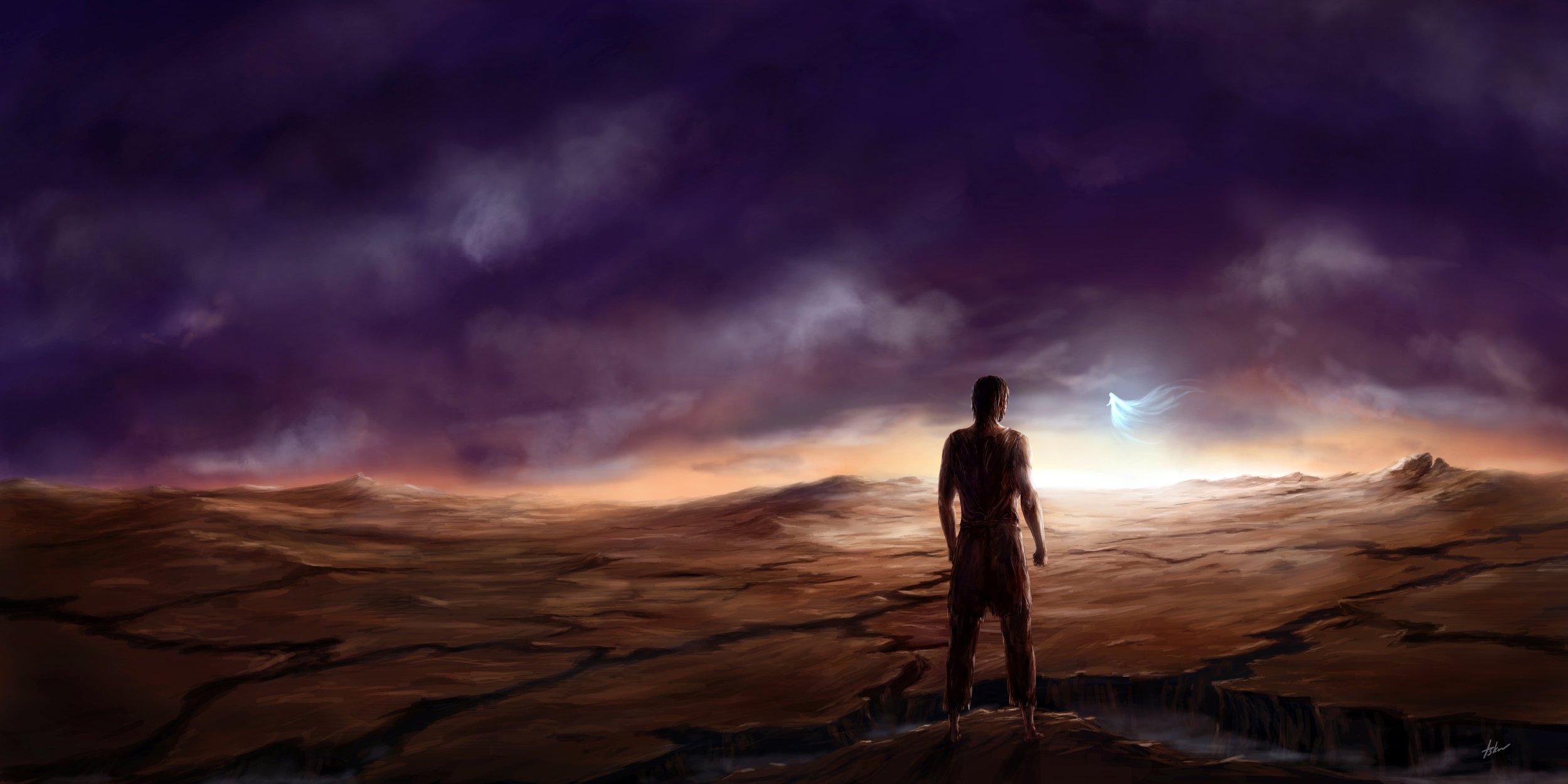
Copyright: Thorkild Skov 2018
Stories have always been a great part of my life, the only constant really, now that I think about it. For starters, my mother was a teacher and educated storyteller, and naturally she wasted no opportunity to ’inflict’ stories upon me and my siblings, whenever she saw the chance. Something Im eternally grateful for.
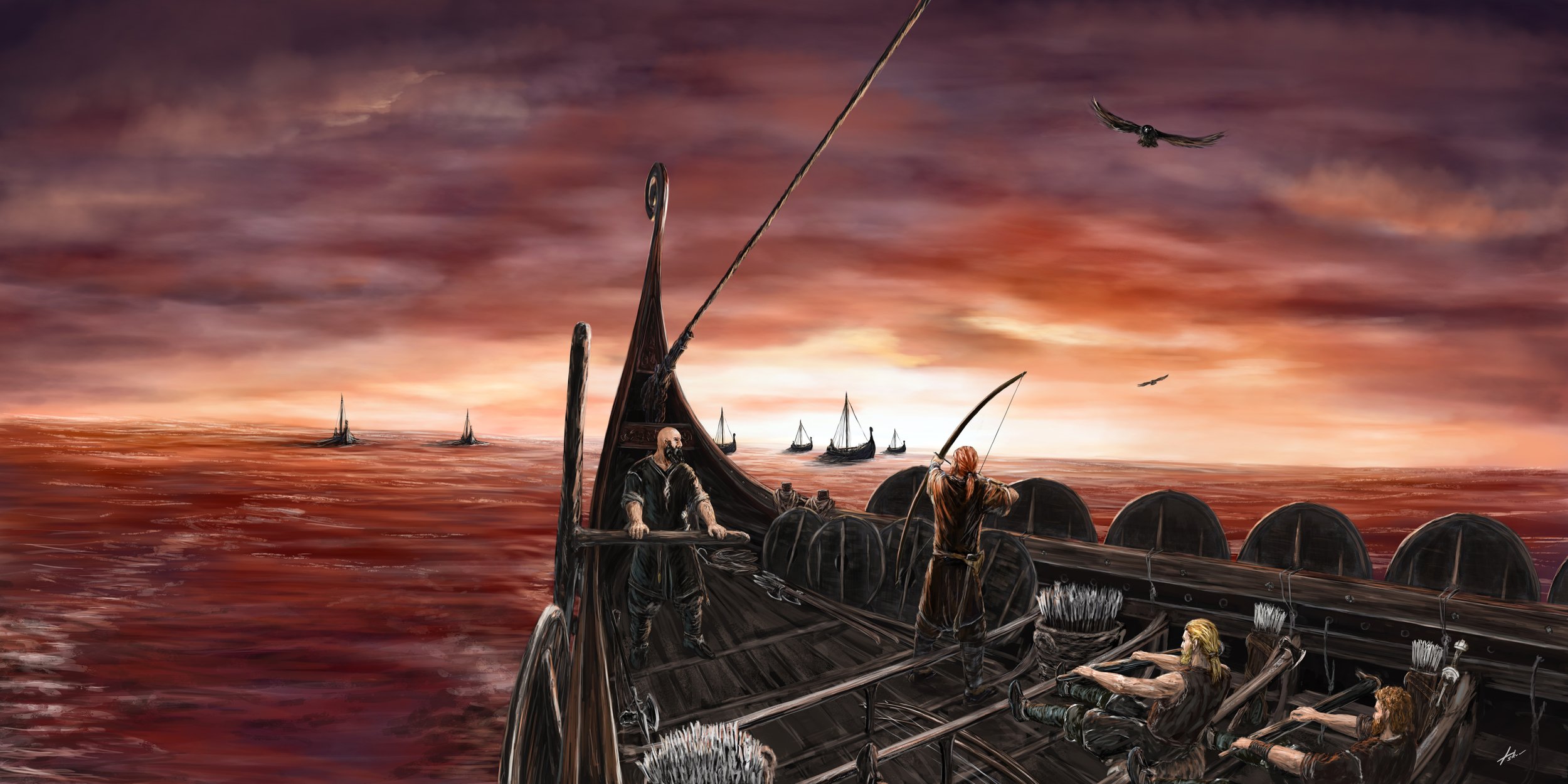
Back when I thought illustration was going to be my livelihood, I was visiting my parents for a weekend, when a visitor came by. It was a parent to some of the students my mother had taught and he had a project in mind. He needed a viking saga for an experience park he was building, and he wanted my mother to write it. By chance I got to talk to him as well, and he invited me along to do some drawings...
Long story short, aside from the artwork I also got involved in the writing, and after handing in the story, my mother and I got so overwhelmingly good feedback, that we shipped the story to a publisher. Mainly to say that we’d done so, and people would stop asking us to do so. But then the publisher said yes, and well, the rest is story.
It became some intense years. My mother was struggling with cancer, but writing became a relief, and now I could return some of the stories she had given me.
It didn’t just feel good, it felt right.
In the last four years she lived we managed to publish five books together. Three we wrote together. Two was of her own. I became writer and editor. I did the layouts and artwork. It wasn’t perfect, but time was running thin and thinhgs got done.
In August 2019 her story of living with cancer for 19 years got published. Three months later, she died...
I have made my fair share of mistakes. Perhpas also more than I ought to. But taking the time, while time still was, to write with the person who gave me life. That is not one of them.
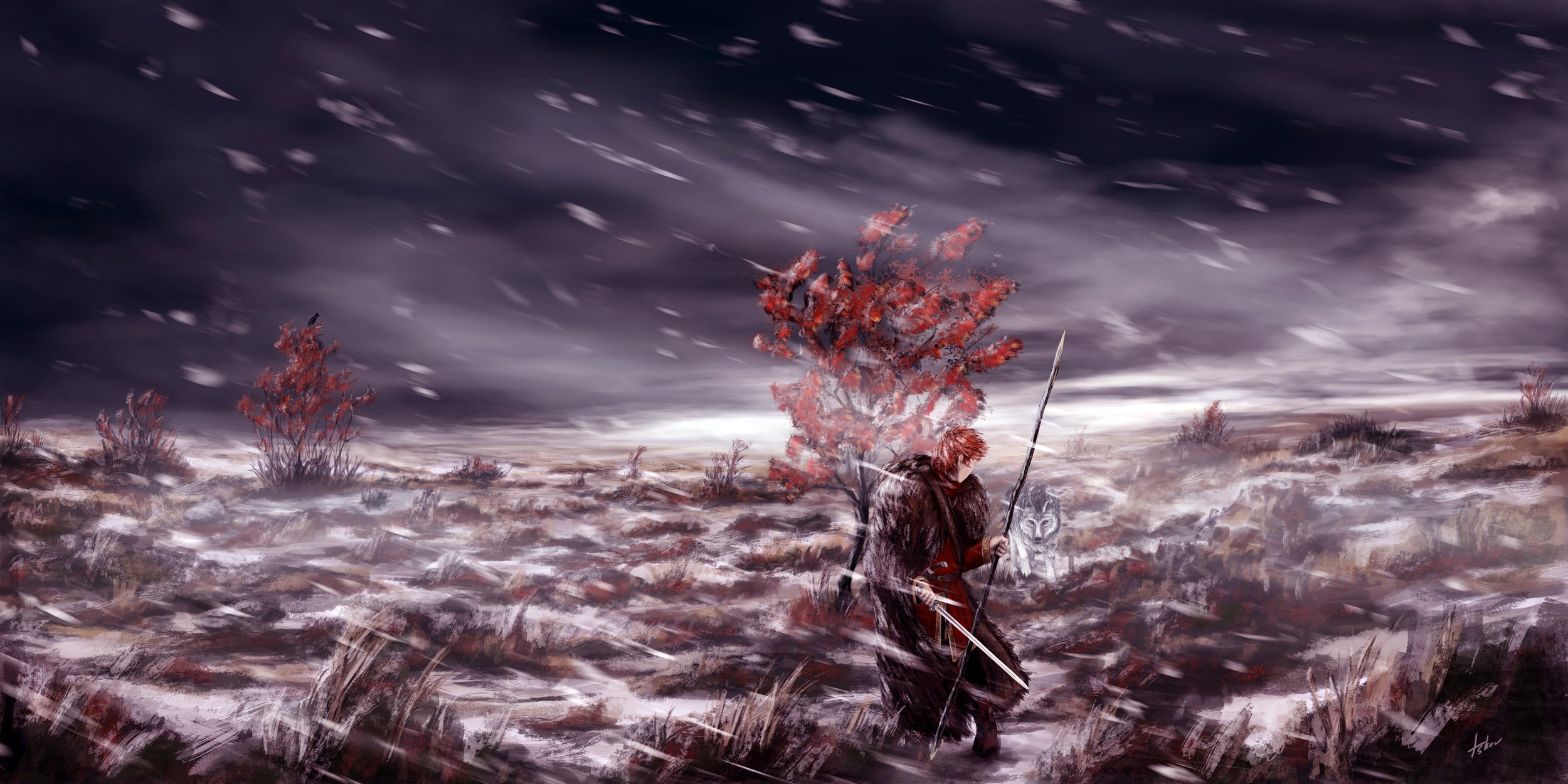
Copyright: Thorkild Skov 2017
So I’m about to get an academic title, but I doubt I’ll ever be a true academic. Reason being that I’d rather take part in the creating of things instead of merely discussing what other people may have done or created.
And then there’s the whole academic discourse and language. ’Cause, oh dear, the language...
For academic language it’s important to write long elaborate sentences, showing off your knowledge, skill, attained academic references, literacy and such, which of course has to be presented in true academic fashion, where an extravagant and outright alianating vocabulary is perceived as a mark of distinction and excellence, which as a consequences makes sentences go on for so long that when you finally reach a punctuation mark, you’ve effectively forgotten what the paragraph that you’re reading started with, and you are thus forced to backtrack and read the entire thing over again, to make sure you’ve actually understood what’s being said…
That, for me, is not good communication.
Good communication is when difficult content is made available for more people. When intricate emotions and visuals are described in a way so multiple individual readers each receive a similar, yet never identical experience.
Great stories are not the ones with the biggest words, great stories are those which persists long after the last page has been turned.
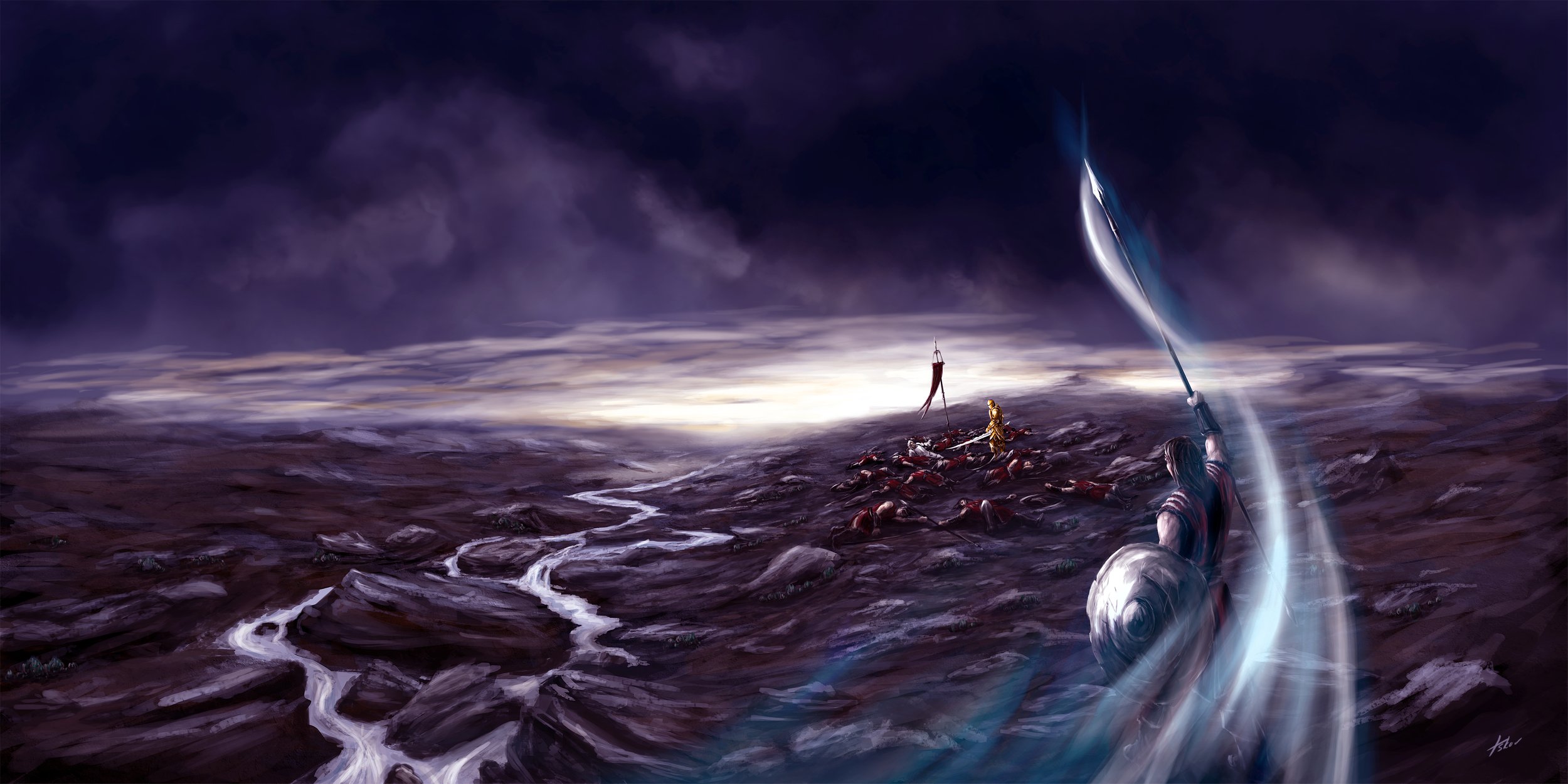
Copyright: Thorkild Skov 2017

Copyright: Thorkild Skov 2021
One may search for lost time...
I spend years learning how to draw, which to some may seem like a waste, now that generative AI can churn out hours or even days’ worth of work within a couple of heartbeats.
It is disheartening, but learning how to draw, or rather, learning how to learn a craft, holds immense value. The knowledge of 'learning how to learn', is not erased because some external source forces your path to change. You just have to apply that knowledge once more.
I’ll still be drawing, because I enjoy it, but it’ll most likely only be for my own projects.
The visual training however, has become part of me; influencing my language and way of thinking in a way that's visible in my writing.
The more I study storytelling, the more I become aware of how different people write. How different authors describe their scenes and characters.
There’s no ’correct’ way to write a story, we all have our different voices, but one thing any author has to strive for; is to create visual descriptions which will lure the reader’s mind into a different world.